
Contents
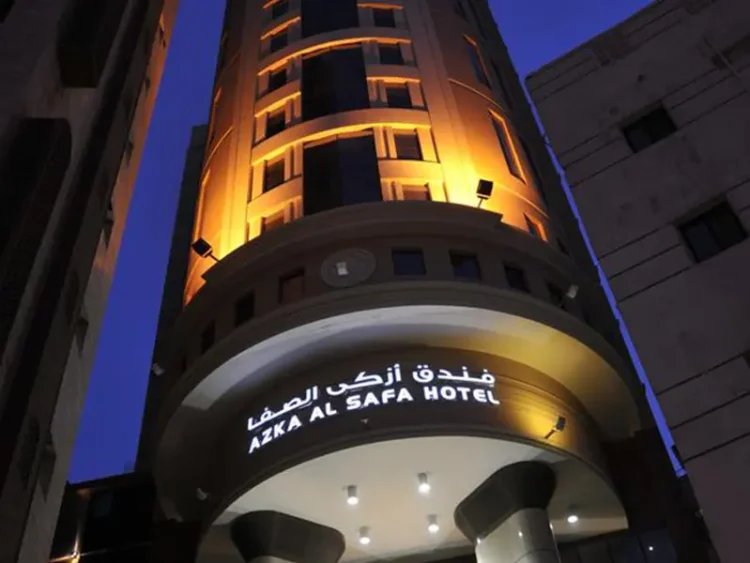
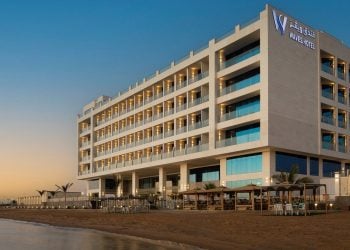
When finding the perfect accommodation in Makkah, Azka Al Safa Makkah stands out as an oasis of comfort and luxury. Nestled in the spiritual center of Islam, this hotel offers unparalleled proximity to the most sacred sites, making it an ideal choice for pilgrims and travelers alike. Whether you’re visiting for Hajj, Umrah, or a personal spiritual journey, Azka Safa Hotel Makkah promises a seamless blend of convenience, elegance, and tradition.
Why Choose Azka Al Safa Makkah?
Azka Al Safa Makkah is more than just a hotel; it’s a sanctuary that caters to the diverse needs of visitors to the Holy City. Here’s why it’s a top choice for travelers:
- Prime Location: Azka Al Safa Hotel Mecca is just a few minutes away from Al-Masjid al-Haram, ensuring easy access to the holiest site in Islam.
- World-Class Amenities: From luxurious rooms to exceptional dining options, Makkah Azka Al Safa offers everything you need for a comfortable stay.
- Spiritual Serenity: The hotel’s serene ambiance allows guests to focus on their spiritual journey.
Let’s explore what makes Azka Al Safa Hotel Makkah a standout option for your stay.
Proximity to Key Landmarks
One of the most compelling reasons to stay at Azka Al Safa Makkah is its proximity to key landmarks. This hotel positions you right at the heart of the Holy City.
The Safa and Marwah Hills
Just a short distance from the hotel, the Safa and Marwah hills are integral to the rites of Umrah and Hajj.
The Clock Tower Museum
Explore the fascinating history of Islamic timekeeping at the nearby Clock Tower Museum. This iconic landmark that anyone should go to when visiting Azka Al Safa Mecca.
The Zamzam Well
The sacred Zamzam Well is a cornerstone of Islamic tradition and is just a short walk from the hotel.
The Black Stone at the Kaaba
No trip to Makkah is complete without visiting the Black Stone at the Kaaba.
A Glimpse Into the Luxurious Experience at Azka Al Safa Hotel Makkah
Azka Al Safa Hotel Makkah offers an exceptional array of services that meet the modern traveler while respecting the spiritual essence of the city. Here’s what you can expect:
Comfortable and Elegant Rooms
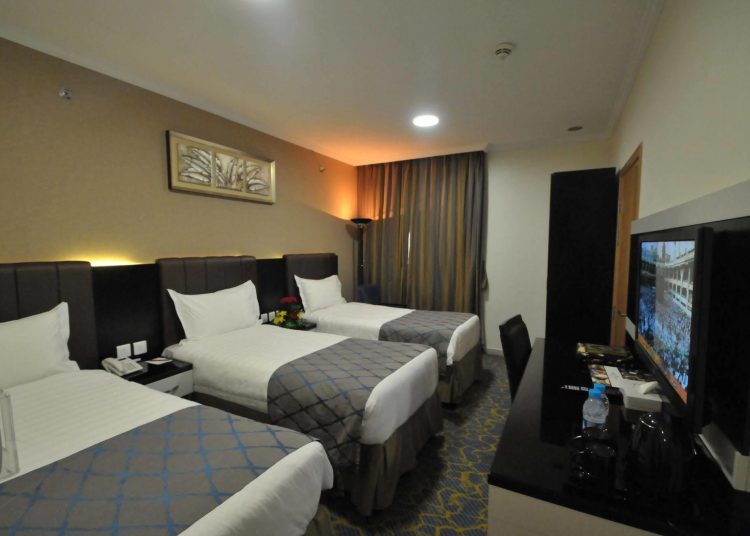
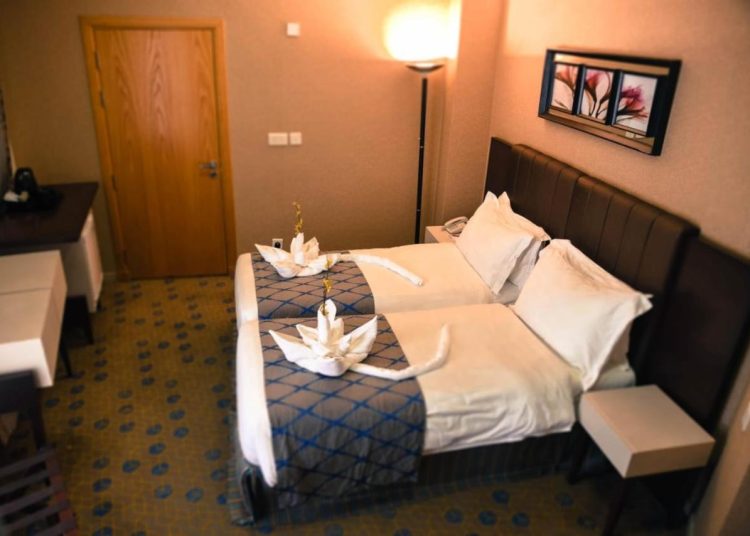
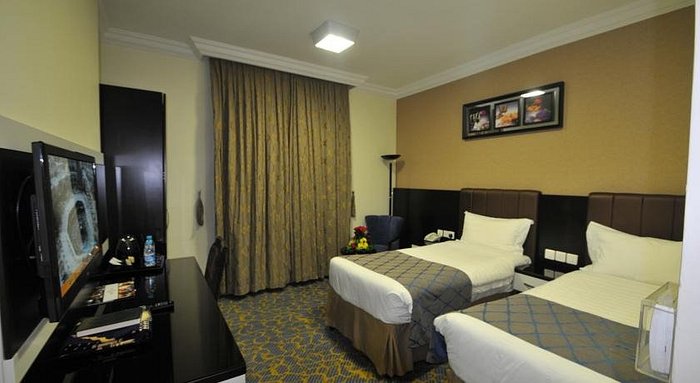
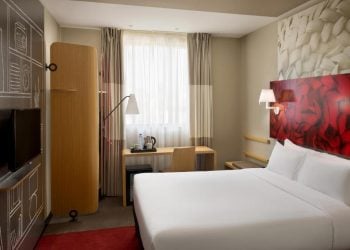
The Azka Safa Hotel Makkah rooms are designed with your comfort in mind. Every detail is meticulously curated with plush bedding, modern furnishings, and breathtaking city views.
Fine Dining Options
Indulge in a variety of cuisines at the hotel’s restaurants. Whether you’re craving traditional Arabian dishes or international flavors, Azka Al Safa Hotel Mecca has you covered.
Dedicated Prayer Areas
The hotel provides dedicated prayer areas to ensure your spiritual needs are met. These areas allow you to perform your rituals peacefully.
Exploring Nearby Neighborhoods
If you’re considering a more extended stay or investing in property in Makkah, the neighborhoods surrounding Azka Al Safa Makkah offer excellent opportunities. Check out these options:
Travel Tips for Staying at Azka Al Safa Hotel Makkah
To make the most of your stay at Makkah Azka Al Safa, consider the following tips:
- Book Early: Given its prime location and popularity, the hotel quickly fills up, especially during Hajj and Ramadan.
- Explore Local Cuisine: Don’t miss the chance to savor authentic Arabian dishes at the hotel’s restaurants and nearby eateries.
- Plan Your Visits: Allocate time to explore nearby landmarks and historical sites to enrich your spiritual journey.
- Stay Connected: Use the hotel’s complimentary Wi-Fi to contact loved ones or plan your daily itinerary.
Frequently Asked Questions
How far is Azka Al Safa Hotel Makkah from Al-Masjid al-Haram?
Azka Al Safa Hotel Makkah is just a few minutes from Al-Masjid al-Haram, making it an ideal choice for pilgrims.
Does the hotel provide shuttle services to nearby landmarks?
The hotel offers shuttle services to key landmarks, including Al-Masjid al-Haram.
Are there dining options available at Azka Al Safa Makkah?
Absolutely. Azka Al Safa Makkah features multiple restaurants serving a variety of cuisines to cater to diverse tastes.
Can I find apartments for sale near the Azka Al Safa Makkah?
There are several neighborhoods near Azka Al Safa Makkah with apartments for sale. Explore options in An Nuzhah, Batha Quraysh, Asharai, and As Salamah.


Discussion about this post