
Contents
- 1 The Allure of Aseer National Park
- 2 History and Legend
- 3 Geography and Biodiversity
- 4 Why “Abha” Matters: Aseer National Park Abha
- 5 How to Get There: From Riyadh to the Mountains
- 6 Best Time to Visit
- 7 What to Do: Adventures in Aseer National Park
- 8 Conservation and Sustainability
- 9 Accommodation: Staying Close to the Wild
- 10 Practical Tips for Travelers
- 11 Why Aseer National Park Stands Apart
- 12 Day Trip Itinerary Suggestion
- 13 Bringing It All Together
- 14 Frequently Asked Questions
In the shaded valleys and mist‑clad peaks of southwestern Saudi Arabia lies a place so wild, so untamed, that it reads like a page turned straight from a thriller. This is Aseer National Park, a realm of ancient oaks and jagged cliffs, where nature conspires in silence, and the very air hums with mystery. If you thought Saudi Arabia was all desert and dunes, think again.
Aseer National Park (also spelled asir national park) is your invitation into a completely different world—lush, cool, and astonishingly green. Whether you’re planning a daring trek, a meditative retreat, or simply a journey to reconnect with something raw and honest, this is your guide to Aseer National Park Abha, the crown jewel of the Asir region.
The Allure of Aseer National Park
A Mysterious Wilderness in the Kingdom
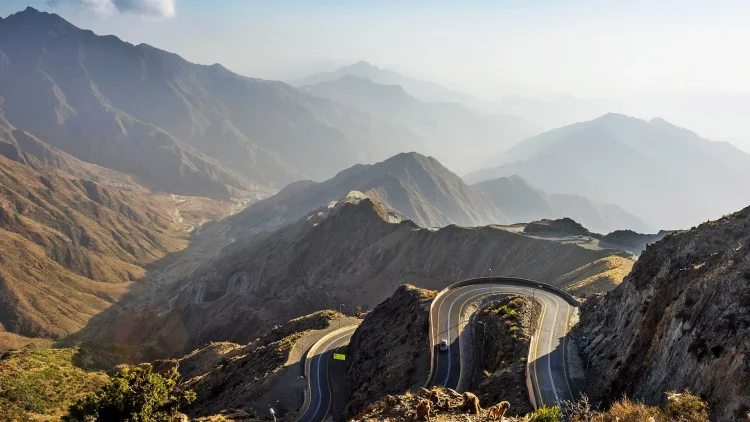
When I first set foot in Aseer National Park, I felt as though I’d stepped into a secret kept by time. The mountains rise steep and bold, ancient terraced farms cling to their slopes, and the air smells of cedar, sage, and wild mint. This isn’t just a park; it’s a fortress of nature, tucked away in Asir National Park, Saudi Arabia, waiting for the few who dare to discover it.
The landscape plays a silent symphony. Wadis (valleys) drip with seasonal streams. Clouds roll in, wrap themselves around the peaks, and drift away as though reluctant to let you go. As you move deeper, you realize this is not merely scenery—it’s a story, written in rock and green.
History and Legend
The story of Aseer National Park is woven into the history of the Asir region. Historically, the Asir mountains harbored isolated communities that lived in harmony with their environment. Their traditions, architecture, and terraced farms remain visible today, perched on steep slopes like sentinels guarding centuries of heritage.
In local lore, these mountains are alive. Tales speak of ancient spirits guarding the forests, whispering in the wind, and guiding the lost traveler home—the parks’ legends and wild landscapes mesh in a tapestry that’s half reality, half myth.
Geography and Biodiversity
Terrain and Climate
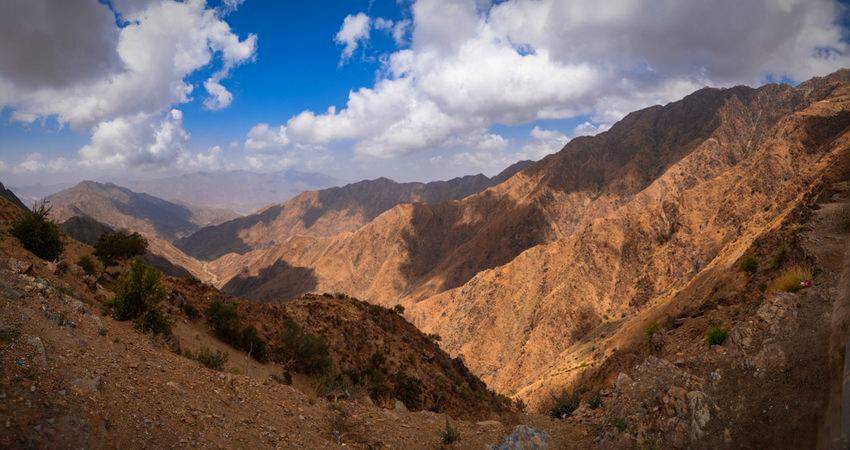
Soaring mountain peaks, steep ridges, and hidden valleys define the Asir National Park region. Elevation varies wildly, creating distinct microclimates: some areas are cool and misty, while others are dry and sun-baked. This variety gives rise to an astonishing range of habitats.
Rain in these mountains can be torrential during the monsoon months, filling wadis and forming temporary waterfalls. At other times, sunlight filters through the thick canopy, casting shifting mosaics of light and shadow over the forest floor.
Flora and Fauna
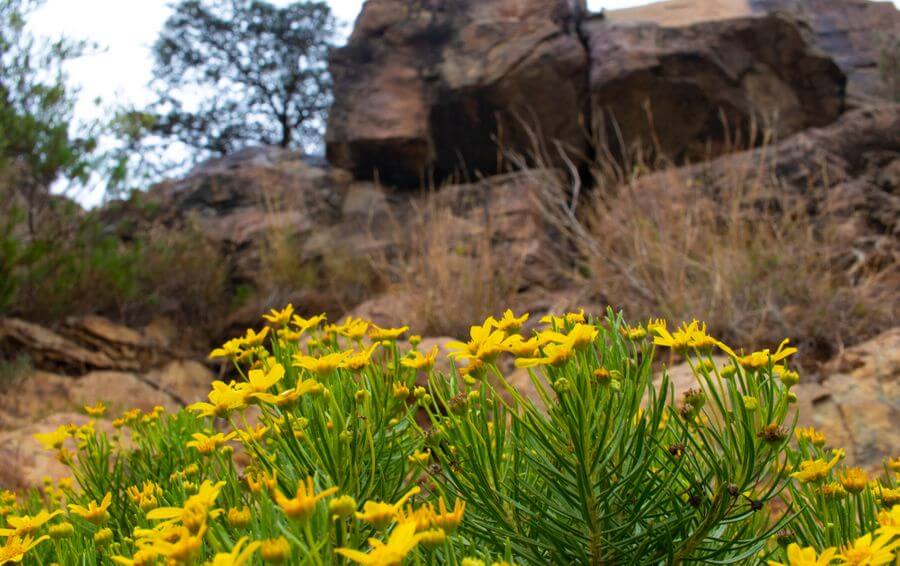
Walking through Aseer National Park, you might stumble across juniper woodlands, wild acacia, and ancient olive trees. The undergrowth is rich with endemic plants, medicinal herbs, and delicate orchids. The wildlife is equally compelling:
- Arabian leopards — elusive and rare — may call these peaks home.
- Nubian ibexes scale cliffs like trained acrobats.
- Raptors, including eagles and vultures, wheel overhead.
- Smaller species — from foxes and hyenas to colorful birds — thrive in quieter glens.
It’s a region of ecological significance in Asir National Park, Saudi Arabia, critical for conservation and biodiversity.
Why “Abha” Matters: Aseer National Park Abha
The city of Abha lies just a stone’s throw from Aseer National Park, making it your perfect base camp. Abha itself is known as a mountain resort town. The mist-shrouded hills around Abha National Park (or simply Abha Park) serve as gateways to the larger wild of Aseer. From Abha, you can access trailheads, guided tours, and viewpoints that dive deep into the heart of the mountains.
Local accommodations vary from charming guesthouses to modern apartments or villas. If you’re looking for a place to stay, check out apartments for rent in Abha or villas for sale in Abha to plan a longer, more immersive stay.
How to Get There: From Riyadh to the Mountains
Travel Route
Your journey to Aseer National Park often begins in Riyadh, Saudi Arabia’s sprawling capital. Many travelers find it convenient to fly into Riyadh, explore a few urban attractions, then proceed to Abha. If you find yourself in Riyadh, don’t miss the chance to shop or dine before heading to Asir. For instance, you can check out Riyadh Park Mall, a major retail center with a vibrant atmosphere. And if you’re planning where to eat, there’s a comprehensive guide to the top 7 restaurants and shops in Riyadh Park, perfect for first-time visitors.
After enjoying the urban pulse, consider taking a domestic flight or driving to Abha. Once you arrive, local transport or guided tours will carry you into the forested folds of Asir National Park, Abha, climbing higher until you reach the wild edge.
Best Time to Visit
Timing matters: to truly experience Aseer National Park, you must choose the right season.
- Summer (June to August): Surprisingly pleasant in the highlands. Days can be cool, with crisp evenings. Mist often blankets ridges.
- Monsoon / Rainy Season (July to September): Expect sudden downpours, dramatic waterfalls, and intensifying greenery. Trails may be slippery.
- Autumn (October to November): A golden time — foliage, cooler weather, clear skies.
- Winter (December to February): Cold at night, occasional frost, but crisp and serene days.
For hiking, photography, and profound nature immersion, autumn and summer are the most magical.
What to Do: Adventures in Aseer National Park
Hiking and Trekking
- Follow ridgelines to coastal lookouts.
- Descend into deep wadis where streams trickle and boulders tell stories.
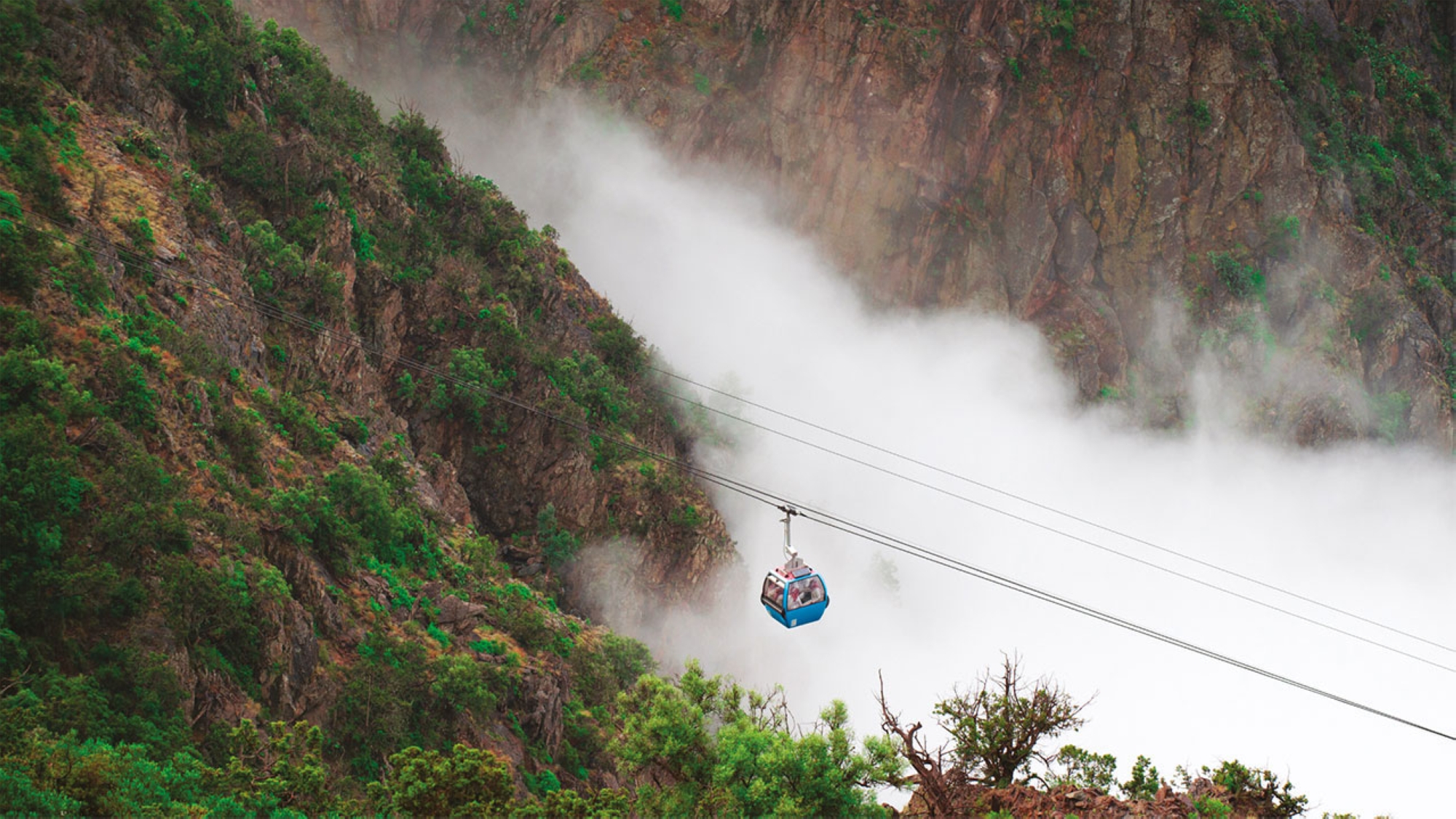
- Trek through juniper forests at first light, when the sun peeks through and shadows dance.
- Join a guided trek — local Bedouin guides or eco‑tourism operators know secret trails and safe routes.
Camping Under the Stars
Night falls quickly in the mountains. Set up camp beneath the stars; in some clear spots, you might see the Milky Way glaring down. The air is cool, the night quiet, broken only by distant calls of nocturnal creatures. Bring sturdy tents, warm sleeping bags, and be prepared: altitude and weather can shift rapidly.
Wildlife Watching & Photography
Bring binoculars and a camera. With luck, you’ll spot ibex on cliffs, eagles circling above, or delicate butterflies flitting through the underbrush. Dawn and dusk are the best times for wildlife sightings.
Cultural Experiences
- Visit ancestral villages perched on cliff edges.
- Explore traditional terraced farms, where local farmers still use water channels and age-old methods.
- Engage with Asiri artisans — their handicrafts, weaving, and architecture reflect centuries of mountain life.
Conservation and Sustainability
Aseer National Park is not just a playground; it’s a fragile ecosystem under threat. Conservation efforts are underway to protect endemic species, mitigate habitat loss, and promote sustainable tourism. When visiting:
- Stay on marked trails.
- Don’t litter — carry your trash out.
- Use local guides — they know how to minimize ecological impact.
- Respect wildlife — observe, don’t disturb.
Visiting responsibly helps preserve Asir National Park for future generations.
Accommodation: Staying Close to the Wild
Base yourself in Abha — it’s the most convenient launching point into Aseer National Park Abha. Here are practical accommodation options:
- Choose from modern urban living: apartments for rent in Abha offer comfort, city access, and proximity to nature.
- For a more exclusive or long‑term stay, consider villas for sale in Abha — perfect for families, retreats, or base camps.
Staying in Abha provides easy access to both the tranquil town life and the rugged peaks of Abha National Park, also known as Abha Park, for those who prefer a gentler stroll.
Practical Tips for Travelers
- Permits & Guides: Check with local authorities or tour operators for required permits. Hiring a guide is strongly recommended.
- Transportation: Rent a 4×4 vehicle in Abha for remote trailheads.
- Packing Essentials: Hiking boots, waterproof jacket, first-aid kit, water purification system, power bank, camera.
- Safety Precautions: Altitude, weather, and remoteness demand caution. Tell someone your route.
- Local Hospitality: The people of Asir are known for warm hospitality. Be open, respectful, and curious.

Why Aseer National Park Stands Apart
There are many parks in the world, but Aseer National Park stands out. It’s not just a scenic spot; it’s a living, breathing character in its own story. It tests you, rewards you, and ultimately humbles you. Here’s what sets it apart:
- Elevation and scale: Mighty peaks and deep valleys offer a dramatic perspective.
- Cultural heritage: Terraced farms and stone-built villages preserve centuries of human-nature dialogue.
- Ecological richness: Endemic species, rare wildlife, and diverse microclimates.
- Accessibility paired with remoteness: Close enough to Abha to be practical, far enough to feel remote.
If you’re seeking more than a photo-op — if you want to feel the heartbeat of the land, breathe its ancient air, and walk in paths untrodden by mass tourism — this is your destination.
Day Trip Itinerary Suggestion
Here’s a sample itinerary for a 2‑day trip to Aseer National Park: Day 1: Arrival and Ascent
- Morning: Arrive in Abha, check into your chosen accommodation (apartment or villa).
- Midday: Visit Abha’s viewpoints, such as the famous Abraaj Al‑Mahfir.
- Afternoon: Start a guided trek into the foothills of the park.
- Evening: Set up camp, or return to Abha for dinner.
Day 2: Deep Exploration
- Dawn: Rise early to catch the sunrise over the peaks.
- Morning: Explore a wadi, follow a stream, and spot wildlife.
- Midday: Visit a traditional Asiri village, learn about farming on steep terraces.
- Afternoon: Return to Abha. If time permits, unwind at Abha Park (abha park) for a gentle stroll.
- Evening: Depart or stay another night, depending on your schedule.
Bringing It All Together
I’ll never forget the first time I stood on a ridge in Aseer National Park. The wind whispered secrets I couldn’t quite catch, and the mountains stretched in silent grandeur to meet the sky. That moment was part awe, part challenge, part invitation — a call to see something wild, something real. This is not a place for convenience. It’s a place for commitment to curiosity, for stepping off paved roads, for letting the land speak.
And in return, it gives you something precious: a renewed sense of scale, wildness, and wonder. If you decide to go, you’ll leave with more than photos. You’ll carry stories — the hiss of mountain winds, the laughter of hidden villages, the quiet weight of starlit nights. Aseer National Park will become a part of you.
Frequently Asked Questions
1. What is the best time to visit Aseer National Park?
The best times are autumn (October–November) and summer, when the mountains are lush, the weather is pleasant, and trails are accessible.
2. How do I reach Aseer National Park from Riyadh?
You can fly from Riyadh to Abha, then travel by road into the park. While in Riyadh, you might explore Riyadh Park Mall or dine at top restaurants.
3. Where should I stay when visiting Aseer National Park?
Abha offers a range of places: you can find comfortable apartments for rent in Abha or opt for a more permanent stay with villas for sale in Abha.
4. Is Aseer National Park (or Asir National Park) safe to visit alone?
While the park is generally safe, its terrain can be challenging. It’s recommended to hire a local guide, inform someone of your route, and follow marked trails for a safer exploration.







Discussion about this post