
Contents
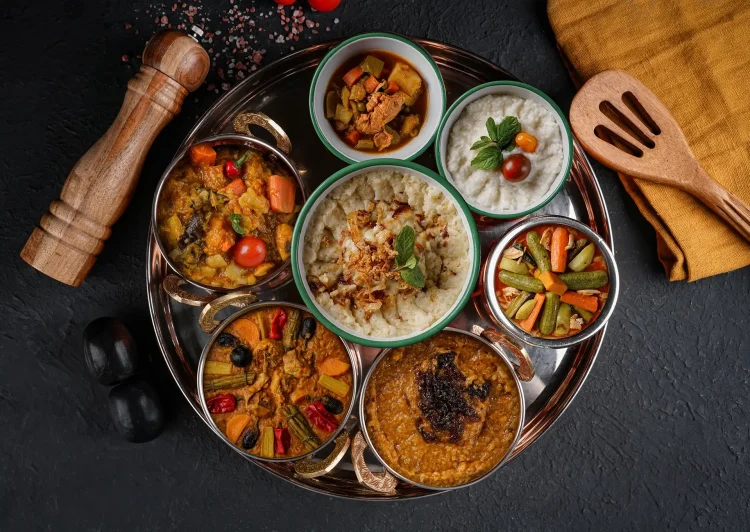
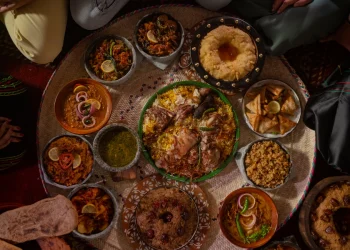
There’s something about Saudi Arabian Cuisine that feels like both a warm memory and a revelation at the same time. You arrive at the table thinking you know what comfort tastes like — rice, meat, bread, spices — and then the Food of Saudi Arabia takes that familiarity and deepens it. It tells a story that goes back centuries, through trade routes and desert nights and families who quietly passed recipes down like heirlooms.
This guide isn’t just a list. It’s a slow walk through the heart of Saudi Arabia Traditional Food, noticing the details: the way spices hint at India and the Levant, the texture of rice grains cooked just right, the tenderness that only patience can create. It’s also practical — if you’re exploring Saudi Arabian Food in Riyadh, Jeddah, or smaller towns, these are the dishes you’ll hear about first. We’ll get to the Traditional Food in Saudi Arabia soon.
But first, a small reminder: you can pair your food adventures with trying new restaurants, too. If you ever crave variety, the culinary scene also includes global gems — like Italian spots mentioned here in the top 5 Italian restaurants in Jeddah or the stylish dining at Eataly Riyadh and Il Baretto Riyadh. If your cravings wander east, you can explore vibrant spices at the top Indian restaurants in Riyadh.
And if you ever dream of staying longer — enjoying Saudi Food as if it’s home — there are even furnished apartments for rent in Saudi Arabia or luxurious options like villas for sale in Riyadh. Imagine having a kitchen that smells like cardamom and cloves every day. Okay — let’s sit down and eat.
1. Kabsa
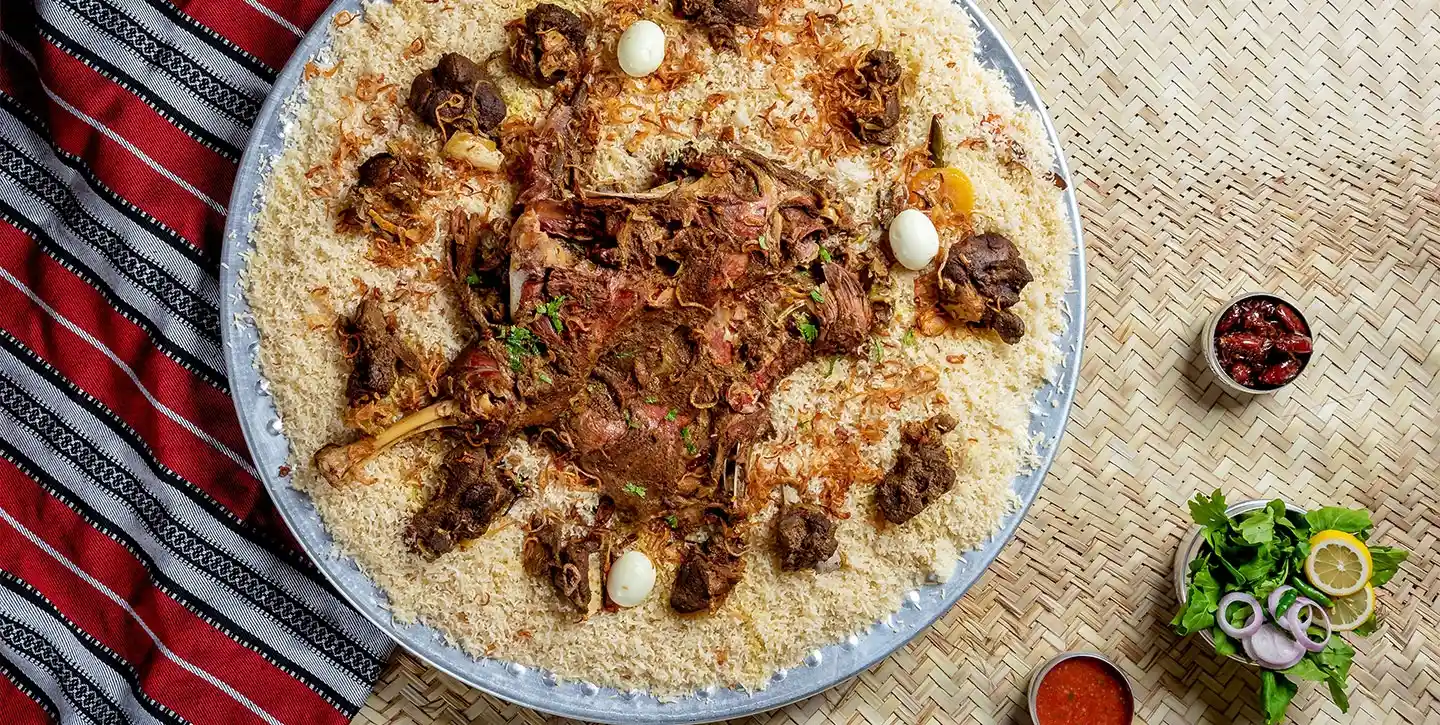
Kabsa is the dish that people mention first when talking about Saudi Arabian Cuisine. It’s practically a national symbol — fragrant rice, slow-cooked meat (chicken or lamb usually), tomatoes, raisins, and nuts. It’s warm, communal, and insists that meals are meant to be shared.
There’s a quiet intensity to Kabsa. Aromas float in the air like anticipation — cloves, cinnamon, black lime — tying together the story of cuisine Saudi Arabia has perfected over generations. If you only taste one dish representing Saudi Traditional Food, let it be this one.
2. Mandi
Mandi feels older somehow, closer to the land. Cooked underground, the meat becomes impossibly soft while the rice soaks up smoky flavor. It’s originally Yemeni, but it’s been claimed by Saudi Arabian cuisine, especially in the south. Here, dining is slow. There’s time to look up from your plate, to understand why Saudi Arabian Cuisine thrives on patience.
3. Jareesh
Wheat instead of rice. A reminder that creativity comes from scarcity. Jareesh is cracked wheat cooked down until it’s creamy, often with chicken or yogurt on top. It’s understated but rich in identity — an example of Traditional Food in Saudi Arabia where texture whispers louder than spice.
4. Haneeth
If tenderness were a competition, Haneeth would win. It’s lamb, slow-roasted with a confidence that comes from long experience. The meat barely hangs on to the bone. You can’t help but admire how Saudi Arabian Cuisine balances boldness with simplicity—just a few ingredients — fire, timing, trust.
5. Mutabbaq
Mutabbaq is folded life — spices, minced meat, maybe eggs, trapped inside a golden sheet of dough and pan-fried. It tastes like street chatter: lively, convenient, full of personality. Among the beloved lineup of Saudi Arabian Food, this one is a late-night friend.
6. Saleeg
If comfort had a flavor, Saleeg would be it. Creamy rice cooked with broth, then topped with grilled chicken. Influenced by the flavors of the Hijaz region, it blends warmth with elegance. Eating Saleeg reminds you that Saudi Arabian Cuisine doesn’t always have to shout. Sometimes it’s just a soft, milky promise of being taken care of.
7. Harees
This dish collapses grains and meat into something surprisingly satisfying: mashed wheat, tender lamb, and seasoning done with restraint. It’s especially popular during Ramadan, a symbol of renewal and nourishment. Its familiarity makes visitors understand the emotional pull of Food of Saudi Arabia.
8. Shawarma
Shawarma isn’t originally Saudi, but it has found a permanent home in Saudi Arabian Cuisine. Watching it rotate on a spit is almost hypnotic: layer after layer of meat, sliced into sandwiches with pickles and garlic sauce. There’s a rhythm to shawarma stalls — a line of people craving the same small joy.
9. Thareed
Pieces of bread soaking in spiced broth, topped with vegetables or lamb. Soft, comforting, a little messy. Thareed is the kind of meal that rejects pretension. It stands proudly among Saudi Arabia’s Traditional foods, refusing to be forgotten.
10. Madghout
Think pressure-cooked rice and meat, but more dramatic. Madghout is intense, with spices that don’t hold back. It’s served at celebrations, a feast that demands attention. In the broader landscape of Saudi Arabian Cuisine, this dish shows how generosity translates into food.
11. Kunafa
Finally, sweetness. Layers of shredded pastry, melted cheese or creamy filling, and syrup that tastes like celebration itself. Kunafa isn’t exclusive to Saudi Traditional Food, yet Saudi homes make it fiercely their own. You take a bite to end the night, and it stays with you.
Why Saudi Arabian Cuisine Stays With You
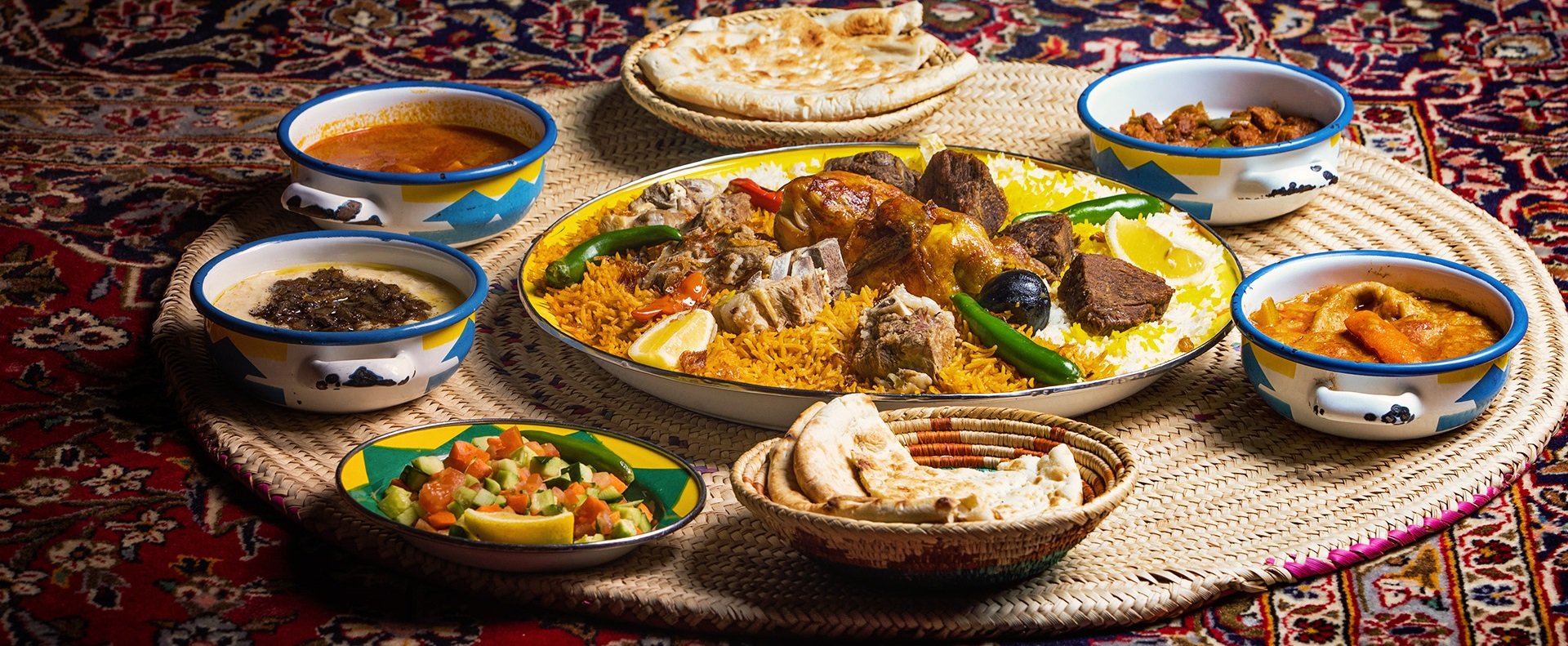
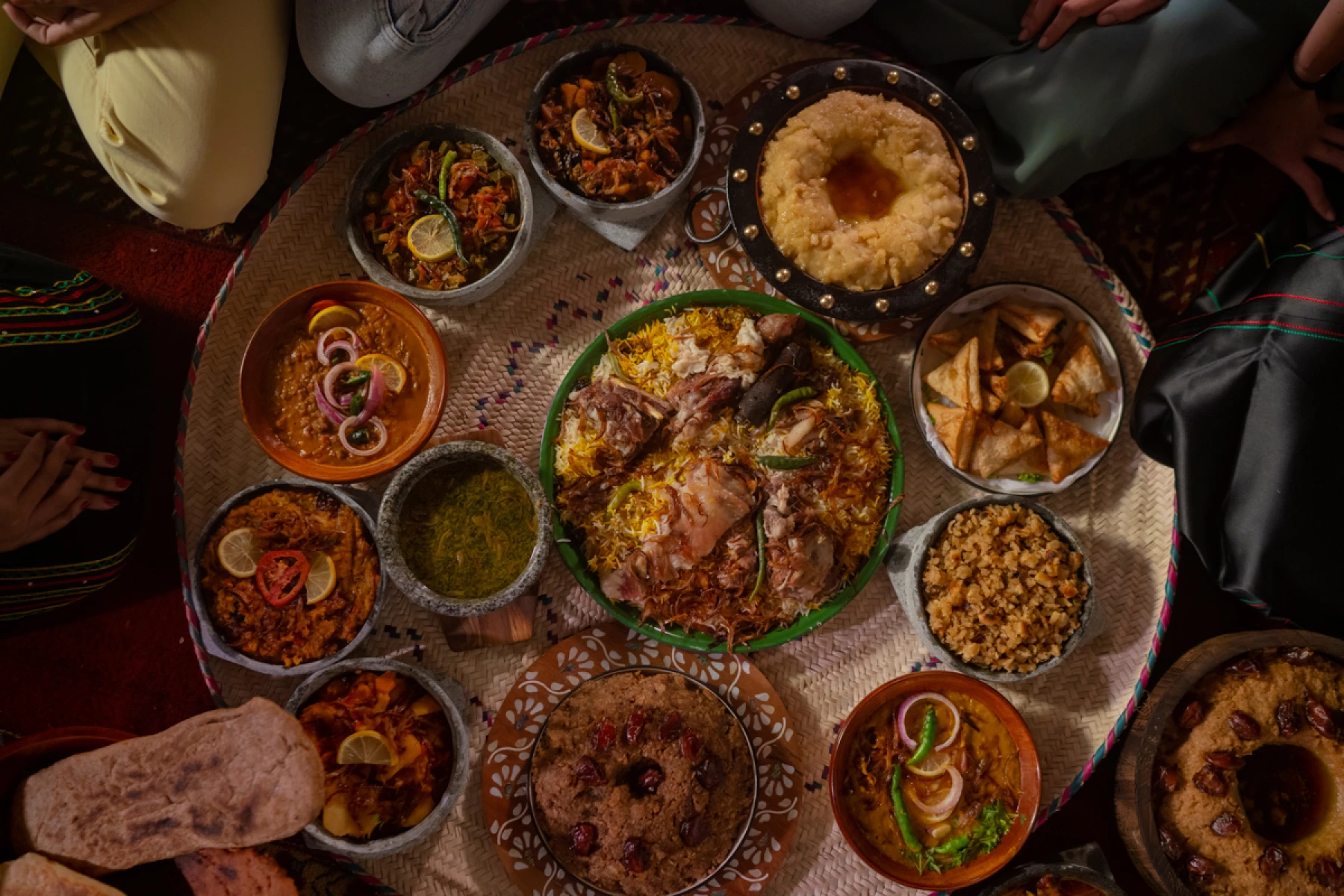
What’s striking about Saudi Arabian Cuisine — and maybe why it lingers — is how deeply human it feels. These aren’t foods that grew from convenience; they grew from community. From people sitting close, sharing plates on floor mats, believing a meal means nothing unless it’s passed around.
And though Saudi Arabian cuisine has embraced international influence — the elegant plates at Il Baretto Riyadh or bright flavors found through top Indian restaurants in Riyadh — there’s still something grounding about returning to the classics. Saudi Arabian Cuisine is the anchor. Saudi Arabian Cuisine is the heritage. Saudi Arabian Cuisine is the invitation. And when you accept it, you get more than food — you get belonging.
FAQ About Saudi Arabian Cuisine
What is the most famous Traditional Food in Saudi Arabia?
Kabsa is widely considered the national dish and the most iconic representation of Saudi Traditional Food.
Is Saudi Arabian Cuisine spicy?
Generally mild to moderately spiced — the focus is on aroma and warmth rather than heat, though Saudi Food offers a wide range of seasoning styles.
What influences the Food of Saudi Arabia?
Trade routes brought spices from India, Persia, and the Levant, shaping Saudi Arabian cuisine into a blend of local ingredients and global touchpoints.
Where can tourists try authentic Saudi Arabian traditional Food?
Local restaurants in Riyadh and Jeddah offer excellent introductions to traditional Saudi food, from Mandi and Jareesh to desserts like Kunafa.


Discussion about this post