
Contents
- 1 When the Sea Holds a Secret
- 2 The First Look: A Story Told in Waves
- 3 Why the Floating Mosque Feels Different
- 4 Understanding the Floating Mosque Jeddah Location
- 5 Architecture That Lives Between Water and Light
- 6 Things You Should Know Before Visiting
- 7 How to Make the Most of Your Visit
- 8 The Floating Mosque in Jeddah Through the Hearts of Travelers
- 9 What Makes This Mosque Float—Literally and Emotionally
- 10 Ending With What Matters: Your Experience
- 11 Frequently Asked Questions
When the Sea Holds a Secret
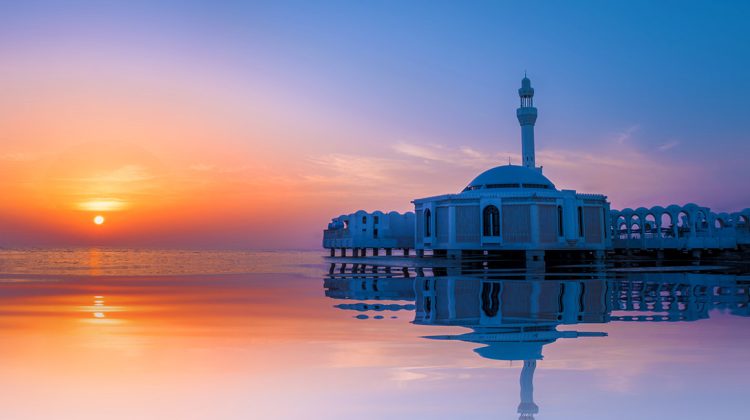
Some places don’t just exist on a map—they sit in your memory like a soft echo, refusing to leave even long after you’ve walked away. The floating mosque in Jeddah is one of those places. Maybe it’s the way the light hits the coastline at its feet, maybe it’s the way the Red Sea wraps around it like a whispered promise, or maybe it’s just the truth that some locations feel like chapters waiting to be lived. Every traveler comes to this mosque in Jeddah expecting beauty, but what they find instead is an experience suspended between water and sky.
Officially known as Al Rahma Mosque Jeddah, this shimmering white structure has been photographed a million times, admired countless ways, and yet—it always feels untouched. Somehow new. Somehow yours. And that’s the magic of the floating mosque. It belongs to everyone who stands before it.
The First Look: A Story Told in Waves
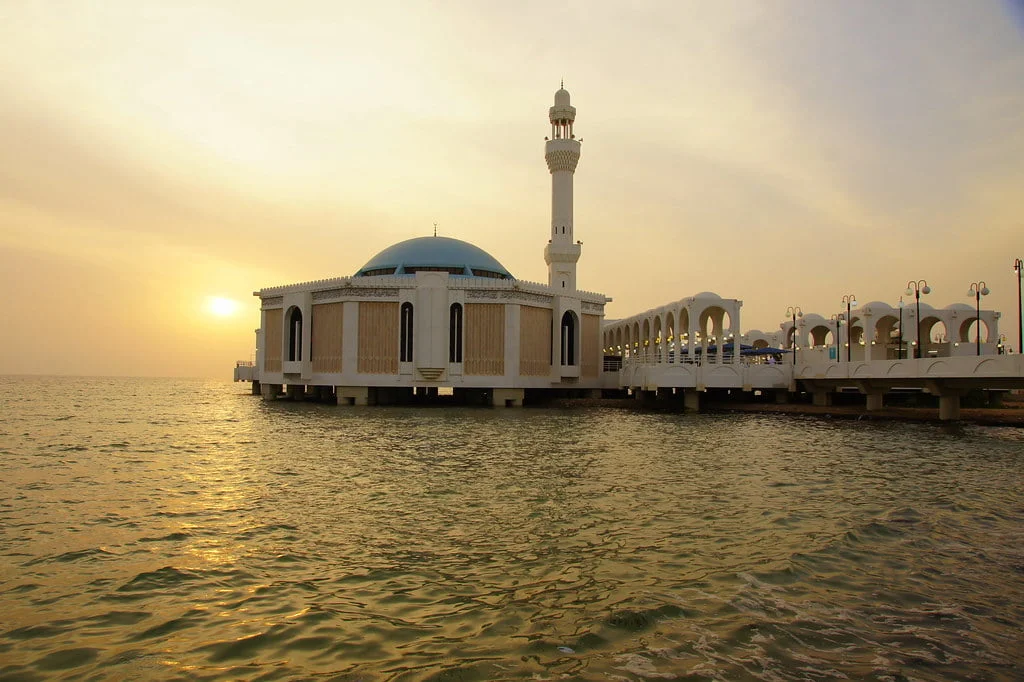
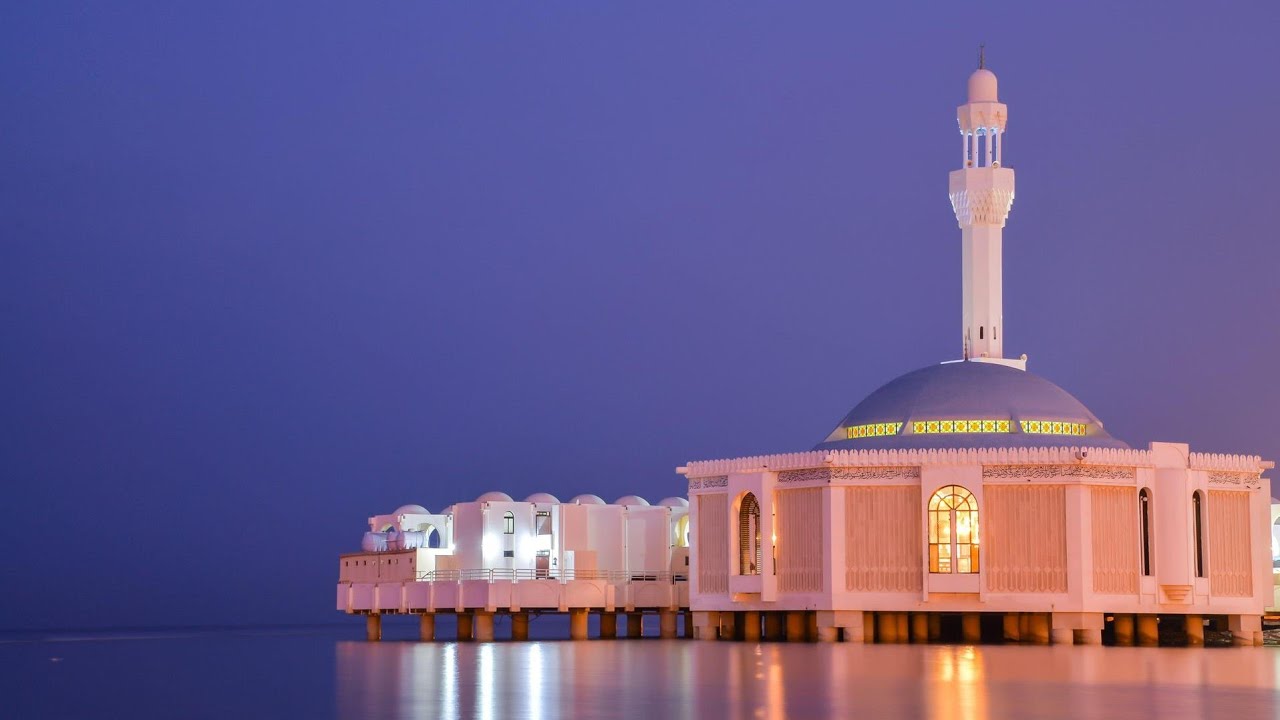
There’s a moment when you step near the shoreline, and the first glimpse of the floating mosque in Jeddah hits you like a breath you didn’t realize you’d been holding. The structure rises from the sea—literally positioned over stilts that vanish under the tide—giving the illusion that it’s resting lightly on the Red Sea’s surface. Some people come here to pray. Some come to breathe. Some come because healing feels easier near water.
Maybe that’s why Masjid al Rahma Jeddah has become a quiet refuge for visitors around the world. Even if you’re wandering through Jeddah for the first time, searching for stories and discovering secrets, you’ll find yourself pulled toward the floating mosque Jeddah the way readers lean toward the last chapter of a book they’re not ready to finish.
Why the Floating Mosque Feels Different
1. Because it’s a place where architecture meets emotion
The bright white dome. The turquoise water. The soft, steady rhythm of the waves beneath. Some locations are built with bricks, but this one feels built from moments.
2. Because everyone who visits leaves a little softer
You don’t walk into a space like this and leave unchanged. Maybe you’re not spiritual, maybe you’re not a romantic, but the serenity of the floating masjid Jeddah is something you feel before you can explain.
3. Because it shows you Jeddah’s soul
Old and new. Quiet and alive. Grounded and floating—all at once. That’s what this city does. And nowhere is that contrast more poetic than at Al Rahma Mosque, Jeddah, Saudi Arabia.
Understanding the Floating Mosque Jeddah Location
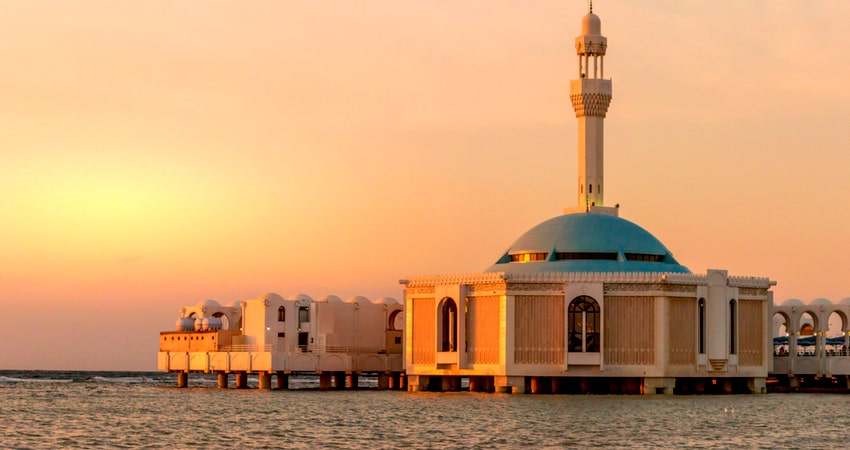
You’ll find the mosque along the northern stretches of Jeddah’s coastline, right where the Corniche opens into expansive views and easy air. The floating mosque in Jeddah location is one of the most accessible landmarks in the city, especially for visitors staying nearby.
If you’re planning your trip and want to stay close to the water, you can browse • Daily rentals in Jeddah • Or even simpler studio rental options The closer you stay to the Corniche, the easier it is to visit the mosque at sunrise—arguably the most magical time to see it.
Architecture That Lives Between Water and Light
A Dome That Meets the Sky
The white dome of masjid al Rahma Jeddah brightens with the sunrise and softens with the sunset. No matter when you walk up to it, it carries a glow—natural, delicate, and completely breathtaking.
Prayer Halls Washed in Soft Light
Inside, large windows invite the sea in—light dances across the floor. Reflections shimmer on the walls. Even if you walk in alone, you feel held.
A Simplicity That Doesn’t Need to Prove Itself
There are grand mosques across the world—like the historic Masjid Quba or the impressive King Khalid Grand Mosque—but the beauty here isn’t in size or complexity. It’s in the grace of simply existing above the water.
Things You Should Know Before Visiting
Best Time to Visit
Early morning or right before sunset. The sky becomes a storyteller then.
Dress Code
Modesty matters. Shoulders and knees covered. Respectful attire always.
Photography
The mosque welcomes photography outside. Avoid taking photos of worshippers inside.
Tide Timing
Sometimes the mosque looks more “floating” than other times, depending on the water level. High tide brings the magic.
Parking & Access
Easy to reach, family-friendly, and accessible for all visitors.
How to Make the Most of Your Visit
1. Arrive Early
Because peace feels different when the world hasn’t fully opened its eyes yet.
2. Walk Along the Corniche
Let the breeze carry any thoughts you’re tired of holding.
3. Stay for the Call to Prayer
Even if you don’t understand every word, you’ll understand the feeling.
4. Explore More of Jeddah’s Heritage
After visiting the mosque, consider exploring Saudi Arabia’s layered history. Maybe step into the past with a visit to the iconic Masmak Fortress, a landmark that carries stories of courage and transformation.
The Floating Mosque in Jeddah Through the Hearts of Travelers
People don’t talk about the floating mosque because it’s famous. They talk about it because it feels honest. Some say it feels like stepping into a memory that never belonged to you but still feels familiar. Others say it feels like a chapter of forgiveness. A pause. A moment of stillness in a world that rarely slows down. And some say it feels like a conversation they didn’t know they needed—with faith, with the sea, with themselves.
What Makes This Mosque Float—Literally and Emotionally
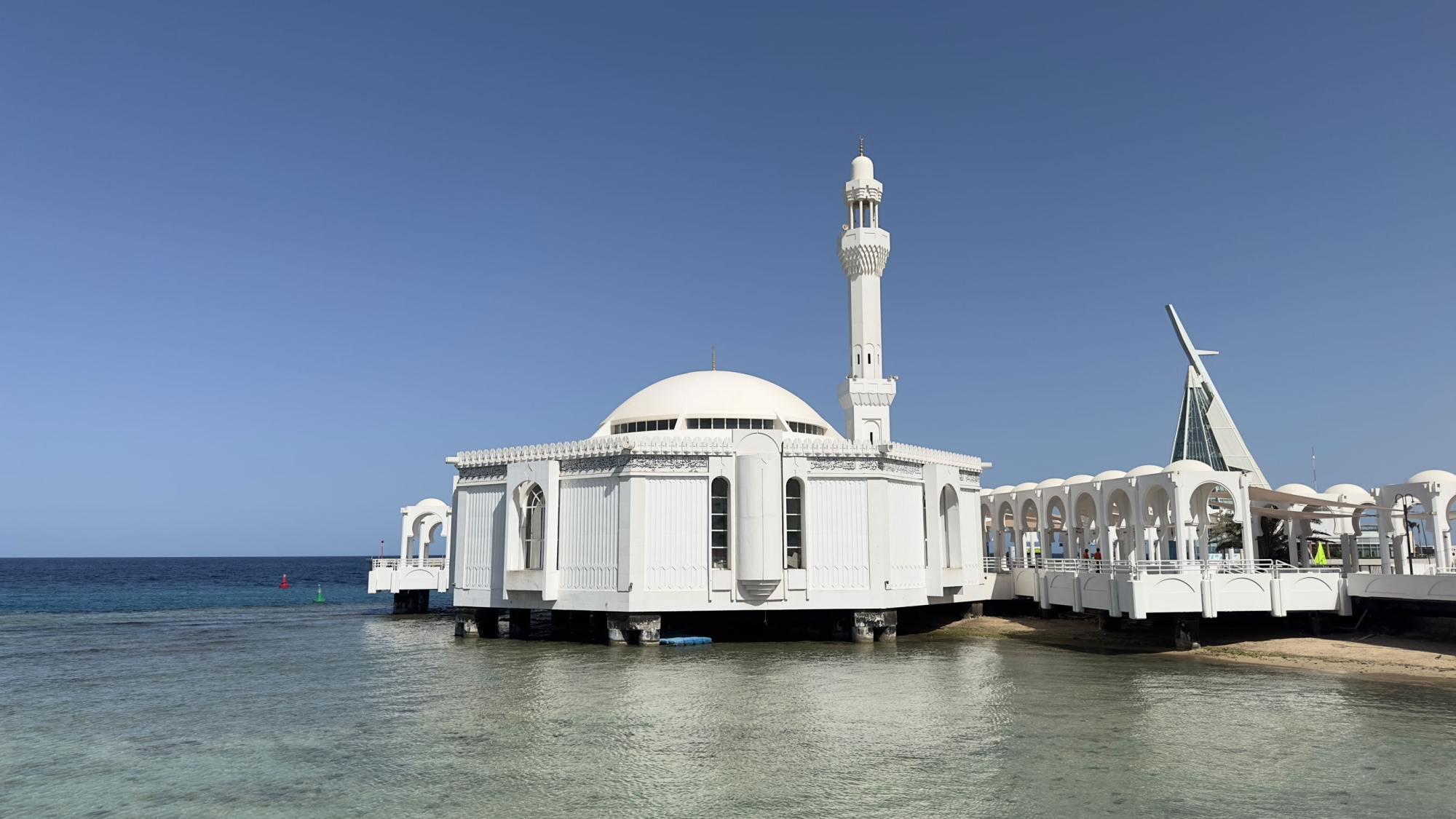
Structurally, the mosque stands on pillars that disappear beneath high tide, giving it the illusion of floating. But emotionally? It “floats” because it feels weightless—a place where your thoughts untangle, soften, and slowly settle. This is why travelers come back. Not just for the photos, not just for the architecture, but for that feeling. The feeling of quiet. Of water under your feet. Of knowing a place can hold you without ever touching you. Just like the best stories do.
Ending With What Matters: Your Experience
You can read every guide online. You can scroll through every picture. You can watch every video of waves brushing the edges of Al Rahma Mosque, Jeddah, Saudi Arabia. But nothing compares to being there. Standing in front of the floating mosque in Jeddah, watching the sea cradle its foundation, you’ll understand exactly why this place holds so many hearts. Why is it photographed endlessly? Why is it talked about softly? Why does it feel like a beginning and an ending all at once?
Maybe you’ll visit soon. Maybe you’ll stand where thousands have stood and feel something gently shift inside you. And maybe, just maybe, you’ll look out at the water and whisper your own quiet prayer into the wind. Because some places aren’t just visited. They’re felt.
Frequently Asked Questions
1. What is the name of the floating mosque in Jeddah?
The floating mosque in Jeddah is called Al Rahma Mosque, often referred to as masjid al Rahma Jeddah.
2. Does the floating mosque in Jeddah actually float?
It appears to float because it is built on pillars above the Red Sea, creating an illusion of floating during high tide.
3. Where is the floating mosque located in Jeddah?
The floating mosque in Jeddah is along the northern Jeddah Corniche, easily accessible and popular among visitors.
4. Is the floating mosque open to non-Muslim visitors?
Non-Muslims may visit the exterior freely, enjoy the scenery, and take photos. Access inside may depend on local guidelines and prayer times.


Discussion about this post