
Contents
Are you foreigners buying property in Saudi Arabia? If the answer to that question is yes, the good news is that Saudi Arabia is opening its doors to foreign investment to align with Vision 2030; this initiative is supported by the newly enacted laws adopted by the Saudi government to encourage foreign investment.
Starting January 2026, the Saudi government significantly broadened foreigners’ access to property ownership, contrary to the previous law (the Golden Visa), which allowed only a limited category of foreign residents to own property.
Are foreigners buying property in Saudi Arabia?
To answer that question, we must examine the laws enacted by the Saudi government.
Foreign residents and investors are now eligible to buy property in Saudi Arabia, thanks to the newly enacted law. Below are the key variables to buying property in Saudi Arabia, subject to conditions set by the General Real Estate Authority (REGA):
- Property location: ownership is designated to specific cities, such as Riyadh and Jeddah, with more restrictive rules for buying property in Makkah and Madinah
-
- Residency status: foreign residents may also own one residential property outside designated zones for personal use
- Entity type: foreign companies may acquire real estate necessary for business operations or employee housing, subject to applicable licensing requirements
- Freehold vs. Usufruct Rights: The new law allows both freehold ownership and usufruct rights. Usufruct differs from freehold (which completely transfers ownership) because it allows benefiting from the property for a certain period without transferring ownership.
- Regulatory Approvals: Certain categories of foreign residents require approval or registration from the relevant authorities, such as the Ministry of Interior or REGA
What you should do next:
- Verify your residency status: Ensure your Iqama has at least six months of validity.
- Consult the Ministry of Justice: Review the latest circulars on foreign ownership zones.
- Use Wasalt: Browse verified listings to gauge current market prices in your target city.
Real Estate and Residency: The Foreign Property-Owner Pathway
Foreigners can buy property for the long term if their investment is at least SAR 4,000,000 (approximately USD 1,070,000) through the Golden Visa.
The property must be residential, completed and ready to occupy, free from mortgages or liens, and independently valued by an accredited professional registered with TAQEEM, the Saudi Authority for Accredited Valuers
Residency under this pathway remains valid as long as the applicant continues to own the qualifying property. Premium residency holders can leave and re-enter Saudi Arabia without needing a separate exit or re-entry visa, which is a significant upgrade from the traditional Iqama sponsorship system.
Why Investors Are Looking at Saudi Arabia
Saudi Arabia has been attracting more investors through the Vision 2030 initiative, which is preparing the country for strong non-oil GDP growth, rapid urbanization, and large-scale infrastructure, with Riyadh at the center of investment opportunities.
Giga-Projects and Development Scale
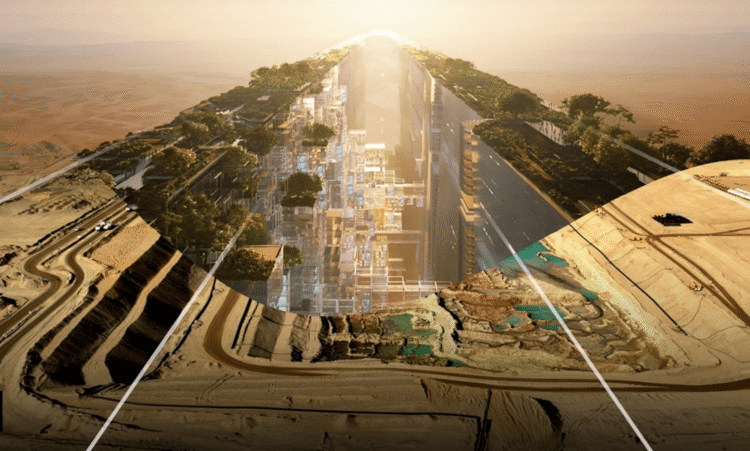
Saudi Arabia is attracting investments with its large-scale projects, such as:
- NEOM
- Qiddiya
- The Red Sea Project
- The Diriyah Gate development
Understanding the Real Estate Transaction Tax (RETT)
Saudi Arabia introduced the Real Estate Transaction Tax (RETT) at a rate of 5% in October 2020, replacing the previous 15% VAT on real estate transactions. This flat 5% rate applies to the total value of real estate transactions regardless of the property’s ownership, type, use, or condition, covering residential, commercial, and industrial properties.
RETT is calculated based on the total value of the agreed transaction at the date of disposal, which should not be less than fair market value, and is payable to ZATCA on the date of the transaction—i.e., the date of its notarization.
One important nuance for foreigners buying property in Saudi Arabia: the foreign ownership framework adds a 5% RETT plus an additional 5% foreign ownership-related fee, which can round up to 10% of the purchase price. Taxes on the property are levied under RATT rather than VAT, which is now applied to services related to the deal, such as brokerage fees, legal work, and valuation services.
Conclusion
Foreigners buying property in Saudi Arabia are subject to regulations enforced by the Saudi Arabian government, and these regulations have been optimized to increase the chances for foreigners buying property in Saudi Arabia and making investments in Saudi Arabia much easier than in 2020.
Frequently Asked Questions
Are foreigners buying property in Saudi Arabia?
Yes. Foreign residents with a valid Iqama can own one residential property for personal use, subject to Ministry of Interior approval. Non-Muslims cannot own property in Makkah or Madinah.
What is the RETT for foreigners buying property in Saudi Arabia?
A flat 5% tax on the total property transaction value, paid through the ZATCA portal before the deed is notarized. Additional foreign ownership fees may bring total government charges to around 10%.
Can I buy property in Saudi Arabia without living there?
Yes. The 2026 law allows non-residents to buy within designated zones. However, purchasing below the SAR 4 million threshold will not qualify you for residency.
Is it better to buy or rent in Riyadh as an expat?
It depends on your length of stay and financial situation. Buying suits long-term residents; renting suits those staying short-term. Factor in legal fees and ownership surcharges before deciding, and seek independent financial advice.
What happens to my property if I permanently leave Saudi Arabia?
You keep ownership, but managing property remotely is complex. Registering a Power of Attorney (PoA) with the Ministry of Justice allows a trusted representative to manage or sell it on your behalf.
Where are foreigners buying property in Saudi Arabia?
Designated zones in major cities like Riyadh and Jeddah, and development projects such as NEOM, Qiddiya, and the Red Sea Project. REGA publishes the official list of approved ownership zones.





Discussion about this post